



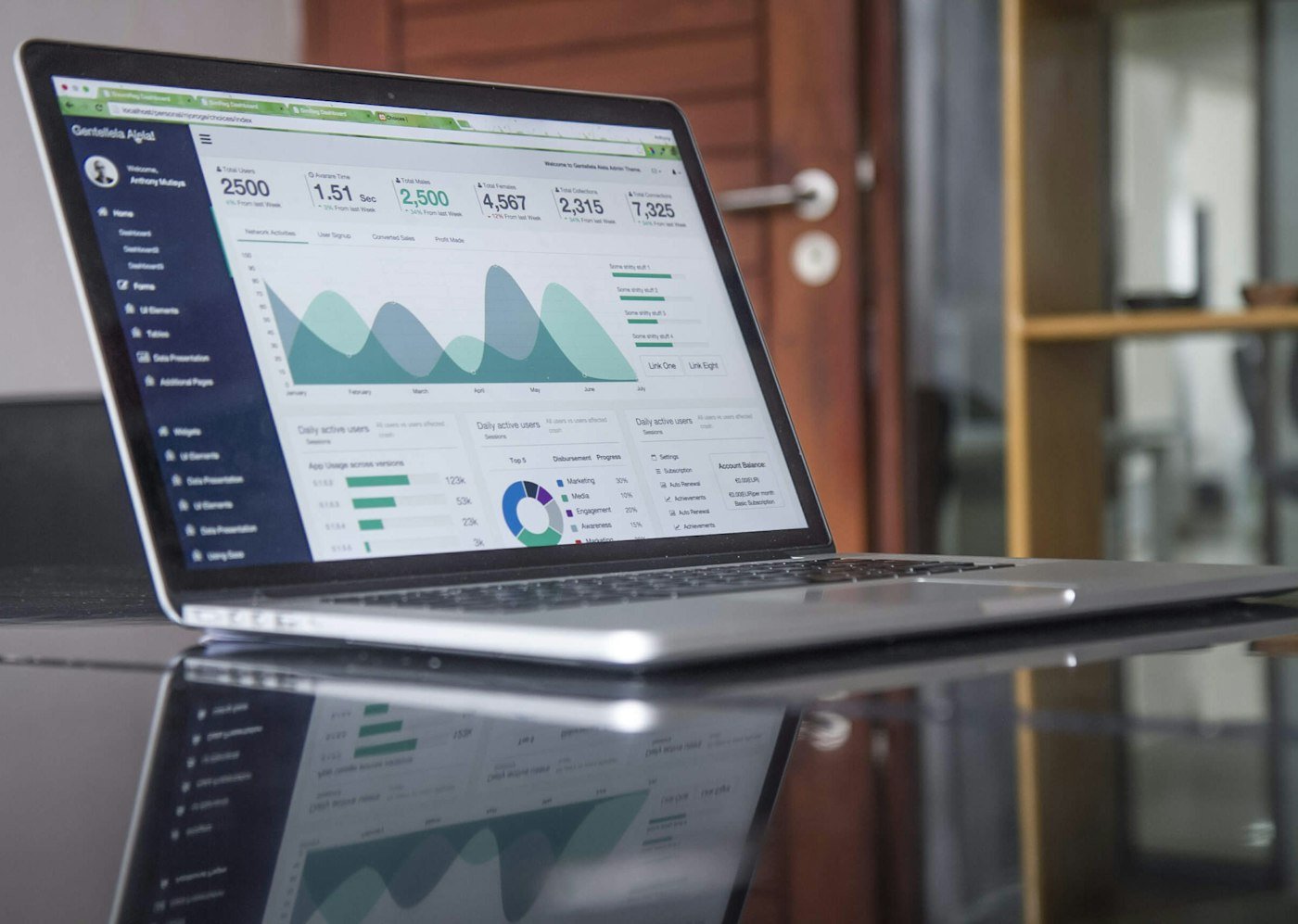




If oil powered the 20th century, data powers the 21st. Today, the world does not move because of machines alone, it moves because of information. Every swipe on your phone, every online payment, every GPS location, and every search you type feeds an invisible system that is constantly learning, predicting, and optimizing. Without realizing it, you are producing something more valuable than money every single day. You are producing data.
From the moment you wake up, your life becomes a stream of digital signals. You check messages, scroll through social media, order food, watch videos, or transfer money. To you, these are ordinary actions. To companies, they are insights waiting to be unlocked. Each click tells a story about your behavior, preferences, and decisions. When millions of these tiny stories are combined, they become powerful patterns that can shape entire industries. What seems like casual activity is actually fuel for modern intelligence systems.
This is why data has quietly become the world’s most valuable resource. The biggest companies on the planet are not necessarily those that manufacture physical products, but those that understand information better than everyone else. Companies like Google, Amazon, Netflix, and Uber thrive because they know their customers deeply. They do not guess what you want, they predict it. They do not wait for demand, they forecast it. Behind every recommendation you see and every perfectly timed notification lies a model built from millions of data points.
However, raw data by itself is meaningless. Numbers sitting in a spreadsheet are just noise. It is only when data is cleaned, organized, analyzed, and interpreted that it becomes knowledge. This transformation is where data science comes in. Data scientists take messy information and turn it into clear answers. They uncover trends, build predictive models, and extract insights that help organizations make smarter decisions. In many ways, they act like translators, converting chaos into clarity.
The impact of this transformation is visible everywhere, not just in tech companies. In healthcare, data helps doctors predict diseases before they become critical. In agriculture, farmers use weather and soil analytics to increase crop yields. In banking, fraud is detected within seconds using machine learning algorithms. In education, student performance data identifies who needs support early. Even small local businesses now use simple analytics to know what products sell best and when. Data is no longer a luxury. It is becoming a necessity.
Because of this, the ability to understand data has become one of the most valuable skills in the modern workforce. There is more information available today than ever before, yet people who know how to interpret it are still rare. Organizations are not just hiring employees to look at numbers. They are hiring people who can forecast outcomes, reduce risks, and guide strategy. In essence, they are hiring people who can help them see the future. That is why data scientists, analysts, and AI engineers are among the most sought after professionals globally.
At the same time, businesses that ignore data often struggle to survive. History is filled with companies that relied on intuition while their competitors relied on evidence. Many of them were replaced. In today’s environment, guessing is expensive and slow. Data driven decisions are precise and fast. The difference between success and failure often comes down to who understands their information better.
Looking ahead, the importance of data will only grow. Smart cities, self driving cars, personalized medicine, and intelligent virtual assistants all depend on massive amounts of information. Your watch may soon detect health issues before you feel symptoms. Your car may prevent accidents before they happen. Your phone may recommend solutions before you even recognize a problem. These advances are not science fiction. They are the natural result of data becoming deeply embedded in everyday life.
Ultimately, data is no longer just a by product of technology. It is the foundation of modern society. It is strategy, intelligence, and competitive advantage all at once. Those who learn how to harness it will shape the future. Those who ignore it will be left behind. The question is no longer whether data is valuable. The real question is whether we are ready to use it wisely.
This is why data has quietly become the world’s most valuable resource. The biggest companies on the planet are not necessarily those that manufacture physical products, but those that understand information better than everyone else. Companies like Google, Amazon, Netflix, and Uber thrive because they know their customers deeply. They do not guess what you want, they predict it. They do not wait for demand, they forecast it. Behind every recommendation you see and every perfectly timed notification lies a model built from millions of data points.
However, raw data by itself is meaningless. Numbers sitting in a spreadsheet are just noise. It is only when data is cleaned, organized, analyzed, and interpreted that it becomes knowledge. This transformation is where data science comes in. Data scientists take messy information and turn it into clear answers. They uncover trends, build predictive models, and extract insights that help organizations make smarter decisions. In many ways, they act like translators, converting chaos into clarity.
The impact of this transformation is visible everywhere, not just in tech companies. In healthcare, data helps doctors predict diseases before they become critical. In agriculture, farmers use weather and soil analytics to increase crop yields. In banking, fraud is detected within seconds using machine learning algorithms. In education, student performance data identifies who needs support early. Even small local businesses now use simple analytics to know what products sell best and when. Data is no longer a luxury. It is becoming a necessity.
Because of this, the ability to understand data has become one of the most valuable skills in the modern workforce. There is more information available today than ever before, yet people who know how to interpret it are still rare. Organizations are not just hiring employees to look at numbers. They are hiring people who can forecast outcomes, reduce risks, and guide strategy. In essence, they are hiring people who can help them see the future. That is why data scientists, analysts, and AI engineers are among the most sought after professionals globally.
At the same time, businesses that ignore data often struggle to survive. History is filled with companies that relied on intuition while their competitors relied on evidence. Many of them were replaced. In today’s environment, guessing is expensive and slow. Data driven decisions are precise and fast. The difference between success and failure often comes down to who understands their information better.
Looking ahead, the importance of data will only grow. Smart cities, self driving cars, personalized medicine, and intelligent virtual assistants all depend on massive amounts of information. Your watch may soon detect health issues before you feel symptoms. Your car may prevent accidents before they happen. Your phone may recommend solutions before you even recognize a problem. These advances are not science fiction. They are the natural result of data becoming deeply embedded in everyday life.
Ultimately, data is no longer just a by product of technology. It is the foundation of modern society. It is strategy, intelligence, and competitive advantage all at once. Those who learn how to harness it will shape the future. Those who ignore it will be left behind. The question is no longer whether data is valuable. The real question is whether we are ready to use it wisely.


